en
en Български

SubTotal: 00.00 BGN
This site uses cookies to help give you the best possible user experience. By continuing to browse this site you give consent for cookies to be used!
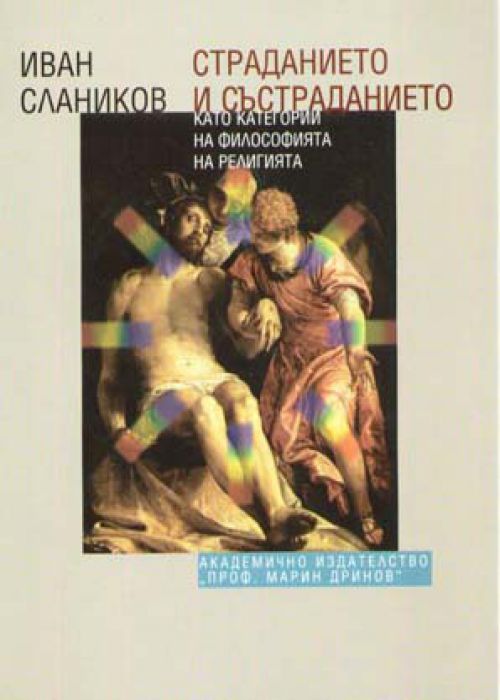
Suffering and Compassion as Categories in the Philosophy of Religion
Ivan Slanikov
10 item(s) in stock
Year of Publication: 2002
Cover Type: Soft
Category: Psychology
Edition: First Edition
Pages: 155
Format: n/a
Language: Bulgarian
Summary
This monograph examines two concepts that are imbued with profound meaning for the emotionally and intellectually mature individual. Everyone is familiar with suffering, and almost everyone is familiar with compassion. But perhaps precisely because of their familiarity, these concepts are relatively rarely the subject of scholarly analysis. The author examines pleasure and suffering as opposites in psychological life, but also reveals their asymmetry. Suffering is a more pronounced and distinct state than pleasure. This, in turn, adds nuance to ethical issues. Minimizing suffering turns out to be a more important moral priority than maximizing pleasure. It is more important for us and our loved ones to suffer less than to expand the additional joys in our lives and theirs. The powerful motivating force of compassion and empathy is revealed, which cannot be compensated for by any abstract ideological motives. The concepts of “suffering” and “evil” are compared. The cynicism of those who excuse the terrible suffering in the world with some higher considerations is subjected to sharp and well-reasoned criticism. In this context, the ideological systems of optimism and pessimism and the positions of certain classical religions are discussed. The exposition is emotionally and stylistically dynamic, and given both the current and universal significance of the topic, the book can be recommended not only to philosophers, ethicists, religious scholars, historians, anthropologists, and sociologists, but also to a significantly broader range of readers.
Аbout The Author
Specifications
ISBN: 954-430-836-9
DOI: n/a
Year of Publication: 2002
Category: Psychology
Edition: First Edition
Language: Bulgarian
Cover Type: Soft
Pages: 155
Weight (kg): 0.350 kg
Format: n/a
Width (mm): /n/a
Height (mm): /n/a
Тhickness (mm): /n/a
Recently Viewed Books