en
en Български

SubTotal: 00.00 BGN
This site uses cookies to help give you the best possible user experience. By continuing to browse this site you give consent for cookies to be used!
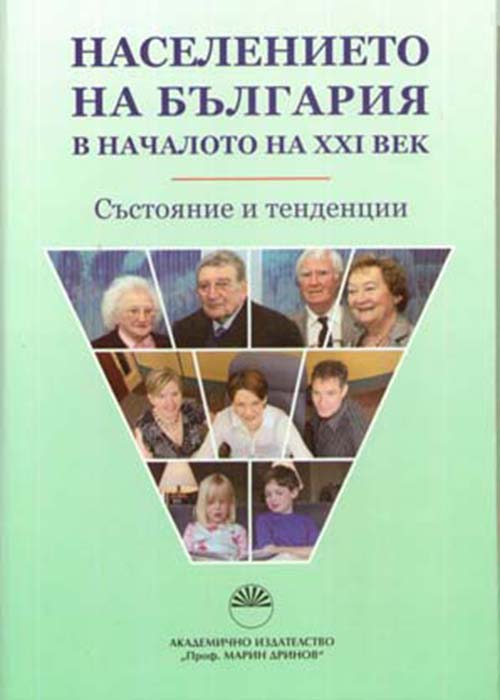
The population of Bulgaria at the beginning of the 21st century
Status and trends
Kolektiv
10 item(s) in stock
Year of Publication: 2011
Cover Type: Hard
Category: Demography
Edition: First Edition
Pages: 492
Format: 7x10x1.6
Language: Bulgarian
Summary
The end of one century is the beginning of expectations for the next. Numerous analyses by state and government institutions, scientific organizations, and individual researchers in the second half of the 20th century clearly outlined the emerging unfavorable trends in the development of the population in Bulgaria. Their intensification in the last two decades of the past century gave rise to the general picture of the deteriorating demographic situation being called a "demographic crisis." The aim of this paper is to provide a multifaceted socio-demographic analysis of the overall demographic situation in the country at the beginning of the 21st century. This includes both the main reproductive processes of the population and the main elements of the social environment in which these processes take place, outlining the employment, educational, and health status of the population, the family environment and social networks of individuals, etc. This broadening of the research focus from a purely demographic profile to include a number of social aspects allows for a deeper insight into the social mechanisms that reinforce or hinder population development, not only at the present moment, but also in the near and distant future.
Аbout The Author
- • Kolektiv
Specifications
ISBN: 978-954-322-445-6
DOI: n/a
Year of Publication: 2011
Category: Demography
Edition: First Edition
Language: Bulgarian
Cover Type: Hard
Pages: 492
Weight (kg): 1.320 kg
Format: 7x10x1.6
Width (mm): 70
Height (mm): 100
Тhickness (mm): 16
Recently Viewed Books