en
en Български

SubTotal: 00.00 BGN
This site uses cookies to help give you the best possible user experience. By continuing to browse this site you give consent for cookies to be used!
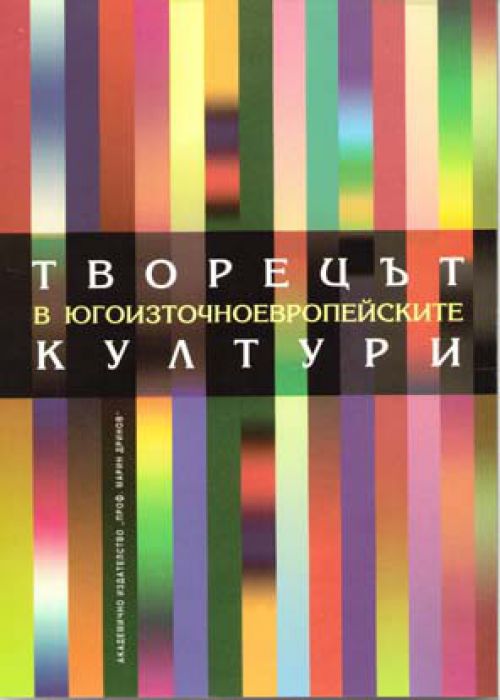
THE CREATOR IN SOUTHEAST EUROPEAN CULTURES
Liliya Kirova, Penka Danova
10 item(s) in stock
Year of Publication: 2001
Cover Type: Soft
Category: Balkan Studies
Edition: First Edition
Pages: 206
Format: n/a
Language: Bulgarian
Summary
The anthology "The Artist in Southeastern European Cultures" explores the rich spiritual transformations of Balkan artists from the 15th to the 20th century and the ideological and aesthetic factors that shaped their artistic outlooks. By analyzing the full complexity of the writer-society relationship, the authors clarify the main literary models in the Balkan lands, where diverse influences and cultural layers intersect. The contribution of the intellectual (clergyman, writer, artist) to the assimilation and implementation of the new, the modern, and the avant-garde is outlined, as well as his clash with the established and the conventional. To reveal the seemingly strange Balkan hierarchy of cultural and aesthetic values during the 19th and 20th centuries, the study also addresses certain issues regarding the role of spiritual tradition and the cultural-historical identity of the Balkan people, the nature of modernity on the peninsula, and the canons of national psychology.
About The Authors
Specifications
ISBN: 954-430-811-3
DOI: n/a
Year of Publication: 2001
Category: Balkan Studies
Edition: First Edition
Language: Bulgarian
Cover Type: Soft
Pages: 206
Weight (kg): 0.500 kg
Format: n/a
Width (mm): /n/a
Height (mm): /n/a
Тhickness (mm): /n/a
Recently Viewed Books