en
en Български
SubTotal: 0.00 BGN
This site uses cookies to help give you the best possible user experience. By continuing to browse this site you give consent for cookies to be used!
+359 2 9793413
sales@aph.bas.bg

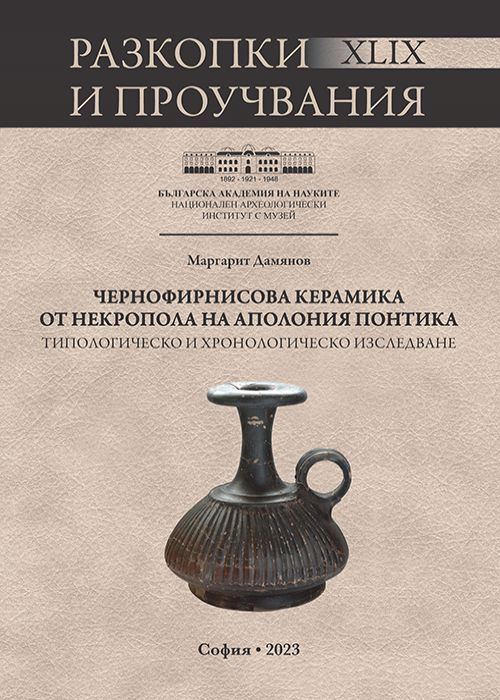
РАЗКОПКИ И ПРОУЧВАНИЯ, том 49 ЧЕРНОФИРНИСОВА КЕРАМИКА ОТ НЕКРОПОЛА НА АПОЛОНИЯ ПОНТИКА
ТИПОЛОГИЧЕСКО И ХРОНОЛОГИЧЕСКО ИЗСЛЕДВАНЕ (по материали от обредните огнища, около 400 – 250 г. пр.Хр.)
Kolektiv
10 item(s) in stock
Year of Publication: 2023
Cover Type: Hard
Category: Cultural-Historical Heritage and National Identity
Edition: First Edition
Pages: 296
Format: n/a
Language: Bulgarian
Summary
Аbout The Author
- • Kolektiv
Specifications
ISBN: 978-619-245-376-3
Year of Publication: 2023
Category: Cultural-Historical Heritage and National Identity
Edition: First Edition
Language: Bulgarian
Cover Type: Hard
Pages: 296
Weight (kg): 1.160 kg
Format: n/a
Width (mm): /n/a
Height (mm): /n/a
Тhickness (mm): /n/a
Recently Viewed Books