Summary
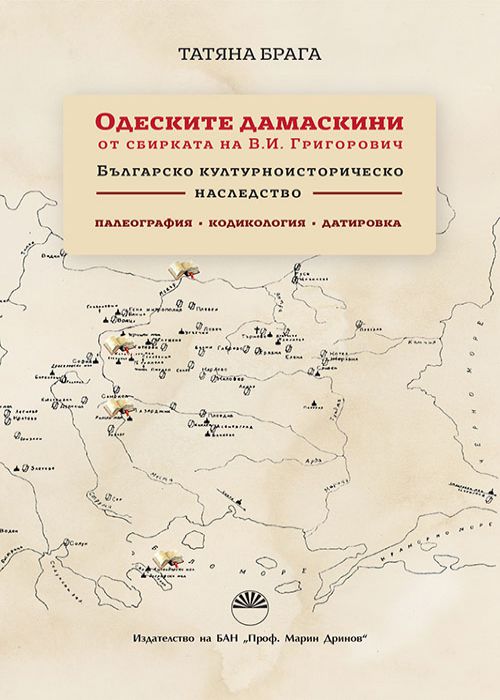
This monograph is the first comprehensive study of its kind on the Odessa damascene manuscripts from the collection of V.I. Grigorovich. The subject of analysis is a collection of manuscripts written in Modern Bulgarian—the Odessa Damascene manuscripts—long known to scholars as the Damascene manuscripts, which have not yet been the subject of scholarly research. The subject of the monograph is the paleographic, codicological, and lexical features of the manuscripts. The main objective of the monograph is to analyze and systematize the most important features of the Odessa Damascene manuscripts from various perspectives—historical, linguistic, and art-historical. For the first time, using scientific analysis, a complete and comprehensive paleographic and codicological description of the four Odessa damaskins is presented. Based on comprehensive data and the intersection of various types of analysis, two of the Odessa manuscripts have been dated and attributed to the Karlovo-Adjarian School and the Kotlen Literary School.
A reference description of the lexical features of the Odessa damaskins is presented, containing new source material on the history of the Bulgarian language, the origin and composition of
damaskin lexicon from the 17th–18th centuries, and its dialectal division.
Based on the excerpted material from the Odessa collections, the features of the Modern Bulgarian language and the developmental trends that emerged in the 18th century are demonstrated.