Summary
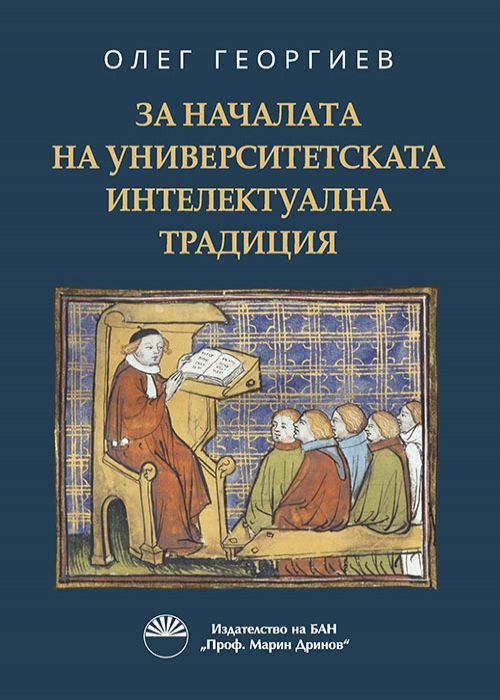
The first paper of this book is devoted to a technique that was decisive for the activity of masters and scholars in the medieval university. It treats the peculiar role played by the university dispute in the curriculum. The technique was applied in all degrees of education − from undergraduate faculty to the three faculties of higher education. Various forms of disputation have been employed in order to solve problems or controversial issues in philosophy, theology, law or medicine.
The second paper follows thematically on the first: it is dedicated to William Ockham’s attempt to answer the question “Can God know more than he knows?ˮ. Occam‘s solution to the peculiarity of knowledge, including God‘s knowledge, is directly related to the validity of true and false propositions. Therefore, for him it was crucial to answer the question, whether it is possible to justify a theory of “objectiveˮ or “eternalˮ truths by means of propositions formed by the human intellect.
The third text thematizesis another factors with direct impact on the formation of the medieval intellectual tradition. The subject matter is the historical continuity in the gradual transformation of interpretative tradition, as a result from the new hermeneutical approaches. The evolution of these approaches is understood as a consequence of the application of a term that originates from rhetoric: the circumstance.
The fourth paper analyses a fundamental concept within the ethics of Albertus Magnus and Thomas Aquinas – that of prudentia, – and clarifies the influence of Aristotelian ethics on 13th century philosophy and theology. Both Albertus Magnus and Thomas Aquinas try to understand the nature and purpose of moral science. Prudentia plays the role of a mediator: it determines the meaning and scope of ethical virtues and shapes a particular type of behavior, when the question “How to do the right thing?ˮ must be answered.
The final essay functions as a conclusion, for it questions the fate of modern universities and the future of academic tradition. Today, academia is challenged to defend its centuries-old history. It is forced to resist the radical transformation following the attempt to correspond to claims that question its future, but are rather socio-political and ideological by nature.